Carlos Páez Rodríguez: The Remarkable Journey of an Andes Survivor
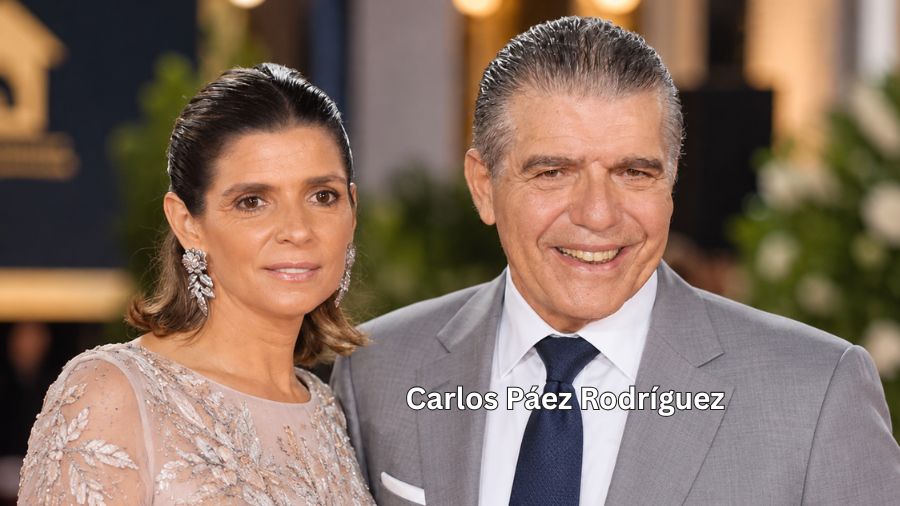
Carlos Páez Rodríguez is a Uruguayan entrepreneur, agricultural technician, publicist, writer, motivational speaker, and former rugby player best known as one of the 16 survivors of the 1972 Andes plane crash. Born into the family of celebrated Uruguayan artist Carlos Páez Vilaró and Madelón Rodríguez Gómez, Páez became internationally recognized after surviving 72 days in the Andes and later transformed that extraordinary experience into a career built around communication, resilience, leadership, and personal development. His story has gained renewed international attention through the 2023 film Society of the Snow, in which Páez himself portrays his father.
Quick Bio
| Fact | Verified Information |
|---|---|
| Full Name | Carlos Miguel Páez Rodríguez |
| Known As | Carlitos Páez |
| Profession | Agricultural technician, entrepreneur, publicist, writer and motivational speaker |
| Nationality | Uruguayan |
| Birthplace | Montevideo, Uruguay |
| Birth Date | October 31, 1953 |
| Education | Colegio Stella Maris, Montevideo |
| Rugby Team | Old Christians Club |
| Father | Carlos Páez Vilaró |
| Mother | Madelón Rodríguez Gómez |
| Children | María Elena de los Andes “Gochi” and Carlos Diego Páez |
| Known For | Surviving the 1972 Andes plane crash |
| Major Film Appearance | Society of the Snow (2023), portraying Carlos Páez Vilaró |
| Books | Después del día diez, Mi segunda cordillera, Desde la Cordillera del Alma |
| Public Work | International motivational speaking and communication consultancy |
These details are supported by biographical records, interviews, public profiles and institutional material. Some private aspects of Páez’s present-day life, including detailed residential information and other personal circumstances, have not been consistently disclosed through authoritative public sources and therefore are not presented as established facts.
Who Is Carlos Páez Rodríguez?
Carlos Páez Rodríguez, widely known as Carlitos Páez, is a Uruguayan public figure whose life became inseparably connected with one of the most famous survival stories of the twentieth century. He was born in Montevideo on October 31, 1953, and grew up as the son of Carlos Páez Vilaró, one of Uruguay’s best-known artists, and Madelón Rodríguez Gómez. Páez attended Colegio Stella Maris and became involved in rugby with the Old Christians Club, the team associated with the group traveling to Chile in October 1972. His international recognition came from an event he could never have anticipated: on October 13, 1972, the Fairchild FH-227 aircraft carrying the group crashed in the Andes. Páez was 18 at the time and was among the 16 people who ultimately survived the disaster. The survivors remained isolated in extreme mountain conditions for 72 days before rescue in December. The experience became the defining event of Páez’s public identity, but his later career shows that his life did not end with the survival story. He went on to work in agriculture, advertising and communications, write about his experiences, and develop a long-running career as an international speaker.
Background in Entrepreneurship and Communication
Before becoming widely known as a motivational speaker, Carlos Páez Rodríguez developed a professional life that extended well beyond his identity as an Andes survivor. Public biographical records describe him as a trained agricultural technician who spent several years working in agriculture before entering the advertising field in 1992. He subsequently developed experience in publicity and communications and eventually directed his professional activities toward communication consultancy and public speaking. A 2018 institutional profile from Argentina’s Mendoza legislature described Páez as an agricultural technician, entrepreneur, publicist, writer and lecturer, while also noting that he had been conducting an intensive international speaking career since 2002. His professional evolution is significant because it demonstrates how the Andes experience became one part of a broader working life rather than his only occupation. In his public talks, Páez commonly connects the lessons of survival with subjects relevant to organizations and individuals, including teamwork, attitude, leadership, responsibility, adaptation and decision-making. His career therefore sits at the intersection of personal testimony and professional communication, allowing audiences to hear directly from someone who experienced an extraordinary crisis and later translated those experiences into a message for business and personal development.
Marriage or Relationship with Carlos Páez Vilaró and Madelón Rodríguez Gómez
Carlos Páez Rodríguez’s family background is particularly important because both of his parents became connected to the story of the Andes tragedy in profoundly different ways. His father, Carlos Páez Vilaró, was a major Uruguayan artist whose work included painting, muralism, ceramics, writing, filmmaking and other creative disciplines; Uruguay’s Ministry of Education and Culture and National Museum of Visual Arts both document the breadth of his artistic career. His mother was Madelón Rodríguez Gómez, whom Carlos Páez Vilaró married in the 1950s. The couple had three children together: Carlos Miguel, Mercedes and Magdalena, the latter better known as artist Agó Páez. Public sources differ on the precise year of the marriage and divorce, so this article avoids presenting conflicting dates as certain. What is consistently documented is that Carlos Páez Rodríguez was their son and that his parents became deeply involved in the search for him after the 1972 crash. Their personal connection to the disaster also became part of the literary record: Páez Vilaró wrote about his relationship with his son and the aftermath, while Madelón Rodríguez Gómez later published El rosario de los Andes, reflecting the experience from a parent’s perspective.
Parenthood and Family Life
Carlos Páez Rodríguez is also a father, although he has generally kept much of his family life less prominent than his professional work and public discussions of the Andes. Public biographical sources identify two children, María Elena de los Andes, known as “Gochi,” and Carlos Diego Páez. His own writings and interviews have addressed family relationships as part of his personal journey, particularly the complicated emotional effects of growing up as the son of a famous artist and later returning to ordinary life after the Andes disaster. In an interview with El País Uruguay, Páez discussed how his relationship with his father and the transition back into life after the crash influenced his personal development, while also describing his later role as a father and grandfather. Because his children are not public figures to the same extent as Páez, detailed information about their private lives should not be treated as established public biography. What can be stated confidently is that fatherhood became an important part of Páez’s later life, and he has publicly connected family, personal responsibility and his experiences after the Andes when discussing his own journey.
Supporting Through the 1972 Andes Disaster
The 1972 Andes disaster remains the central chapter in Carlos Páez Rodríguez’s biography. On October 13, 1972, a Uruguayan Air Force aircraft carrying members and supporters of the Old Christians rugby team crashed in the Andes while traveling toward Chile. Páez was 18 years old and became one of the youngest survivors. The survivors faced extreme cold, high altitude, limited food and repeated physical danger, including an avalanche that struck the wreckage. Search efforts were eventually suspended, leaving the survivors to understand that outside rescue might not come. After 72 days in the mountains, a group of survivors managed to reach people on the Chilean side and bring the rescue effort to a successful conclusion. Sixteen people survived the disaster. Páez’s role has been remembered not only because he survived but because accounts of the ordeal describe the practical contributions made by different members of the group. The survival story has since been documented in books, documentaries, interviews and films, with Páez himself becoming one of the most visible first-person voices associated with the event. His parents also played a significant role outside the mountains, maintaining efforts to find their son and refusing to accept that he had necessarily died.
Life After the Andes
Returning from the Andes did not mean that Carlos Páez Rodríguez simply returned to the life he had before the crash. His later writings and interviews describe the difficulties involved in rebuilding an ordinary life after an experience that had radically changed his perspective. Páez initially worked in agriculture and later moved into advertising, entering the publicity industry in 1992. He eventually became involved in communication consulting and international speaking. His personal reflections have also included difficult aspects of the post-Andes period, making his account more complex than a simple story of triumph. In an interview with El País Uruguay, he discussed the challenges he faced after returning and described overcoming an addiction in 1992, while emphasizing that he did not directly attribute every aspect of that period to the mountain experience. These details matter because Páez’s public story includes both the extraordinary event itself and the long process of adapting afterward. Over time, he turned those experiences into books, interviews and lectures, developing a professional identity centered on communication and lessons drawn from adversity.
Career Highlights and Public Recognition
Carlos Páez Rodríguez’s career after the crash includes several distinct stages, from agriculture to advertising and eventually international motivational speaking. His public profiles identify him as an agricultural technician, entrepreneur, publicist, writer and lecturer, while his speaking organizations describe presentations centered on leadership, motivation, teamwork and resilience. Páez has also become an author, with publicly documented works including Después del día diez, Mi segunda cordillera and Desde la Cordillera del Alma. His books provide different perspectives on the Andes experience and the life that followed it. His story has additionally been represented in cinema. In the 1993 film Alive, Páez’s younger self was portrayed by Bruce Ramsay, while the 2023 Spanish-language film Society of the Snow gave the real Páez a particularly personal role. Instead of portraying himself as the young survivor, he appeared as his father, Carlos Páez Vilaró. The official Society of the Snow material confirms that Felipe González Otaño played Carlitos Páez in the mountain storyline, while the real Páez portrayed his father. This created an unusual connection between the historical survivor, his family history and a modern cinematic reconstruction of the disaster.
Why People Search for Carlos Páez Rodríguez
Interest in Carlos Páez Rodríguez has increased whenever the Andes survival story returns to public attention, particularly following the international success of Society of the Snow. Searchers commonly want to understand who Páez was before the crash, how old he was during the disaster, who his parents were, what happened to him after the rescue, and why he became involved in the 2023 film. His connection with Carlos Páez Vilaró is especially significant because his father was already a prominent cultural figure in Uruguay before the crash and later became deeply involved in the search for his son. The family connection also adds another perspective to the story: Carlos Páez Rodríguez experienced the disaster directly, while his parents experienced the uncertainty and anguish of waiting for information from outside the mountains. His later career gives readers another reason to explore his biography because he did not remain solely identified as a survivor. He built a professional life in agriculture, advertising, communications, writing and public speaking. For audiences interested in Society of the Snow, his first-person perspective and personal appearance as his father provide an additional link between historical events and the film’s dramatization.
Privacy, Accuracy and Public Information
Although Carlos Páez Rodríguez has spent decades speaking publicly about his experiences, not every aspect of his personal life has been made available through reliable sources. Information about his professional history, parents, children, education, rugby background, books, survival experience and public appearances is documented in multiple public records, interviews and speaker profiles. By contrast, detailed information about his current residence, private finances, day-to-day family life and other personal matters is not consistently documented by authoritative sources. For that reason, claims frequently repeated on low-quality biography websites should be treated carefully when they lack a primary or reputable secondary source. There is also a notable discrepancy in some online entertainment databases concerning his birth date, with certain records incorrectly listing October 13, 1953; more reliable biographical and institutional sources consistently identify October 31, 1953. The distinction matters because October 13 was the date of the Andes crash, while Páez’s 19th birthday occurred during the ordeal. A fact-based biography should therefore distinguish between well-supported information and details that remain uncertain or inconsistently reported.
Conclusion
Carlos Páez Rodríguez’s biography extends far beyond the dramatic circumstances that first brought him international attention. As a young rugby player, he became one of the 16 survivors of the 1972 Andes plane crash; as the son of Carlos Páez Vilaró and Madelón Rodríguez Gómez, he also became part of a family story that unfolded publicly alongside Uruguay’s cultural history. After returning home, he built a professional life through agriculture, advertising, communications, writing and international speaking, while using his experiences to discuss resilience, teamwork and personal responsibility. His books and interviews have allowed him to document both the mountain experience and the more complicated process of rebuilding a life afterward. His appearance in Society of the Snow as his father adds another remarkable chapter to that story, linking the real survivor, the family member who searched for him and the historical figure portrayed on screen. For readers researching Carlos Páez Rodríguez today, the most reliable understanding of his life comes from viewing all of these chapters together rather than reducing him to a single moment in history.
FAQs
Who is Carlos Páez Rodríguez?
Carlos Páez Rodríguez is a Uruguayan entrepreneur, agricultural technician, writer and motivational speaker who survived the 1972 Andes plane crash.
When was Carlos Páez Rodríguez born?
Carlos Páez Rodríguez was born on October 31, 1953, in Montevideo, Uruguay, according to multiple biographical and institutional sources.
Who were Carlos Páez Rodríguez’s parents?
Carlos Páez Rodríguez was the son of renowned Uruguayan artist Carlos Páez Vilaró and Madelón Rodríguez Gómez, who had three children.
How old was Carlos Páez Rodríguez during the Andes crash?
Carlos Páez Rodríguez was 18 when the aircraft crashed on October 13, 1972, and he turned 19 while stranded in the Andes.
Did Carlos Páez Rodríguez appear in Society of the Snow?
Yes. Carlos Páez Rodríguez appeared in Society of the Snow as his father, artist Carlos Páez Vilaró, rather than portraying himself.
What does Carlos Páez Rodríguez do today?
Public sources describe Carlos Páez Rodríguez as an entrepreneur, communications professional, writer and international motivational speaker focused on resilience and leadership.
More read: Will Zalatoris Wife