STE500 Steam Sterilizer: Features, Uses, Specifications, and Benefits
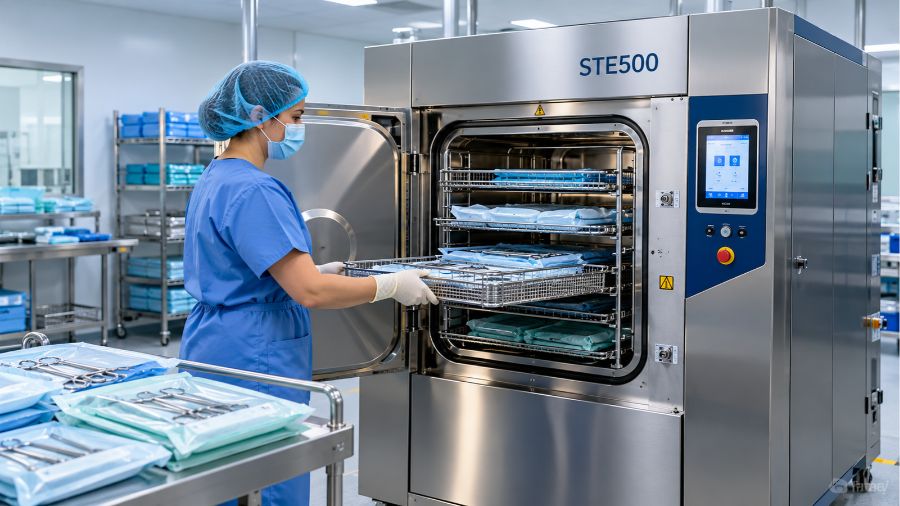
The STE500 steam sterilizer is a professional sterilization machine designed for healthcare environments where reliable processing of reusable medical equipment is essential. Manufactured by Stericlinic, a Colombian company specializing in sterilization equipment, the STE500 series is intended to support hospitals, surgical centers, and other facilities that require controlled sterilization processes. Steam sterilization uses high-temperature saturated steam under pressure to destroy microorganisms on compatible instruments and materials. The STE500 is available in different configurations, allowing healthcare organizations to consider chamber capacity, loading arrangements, and operational requirements when selecting equipment. Understanding its technology, features, applications, and maintenance needs helps medical professionals make informed decisions about sterilization infrastructure.
What Is the STE500 and How Does It Work?
The STE500 belongs to the category of autoclaves, which sterilize suitable materials by exposing them to carefully controlled steam conditions. Unlike ordinary cleaning equipment, an autoclave is designed to achieve validated sterilization conditions throughout an appropriate load. The process generally involves removing air from the chamber, introducing steam, maintaining the required temperature and pressure for a specified period, and completing the necessary exhaust and drying stages. Air removal is particularly important because trapped air can prevent steam from contacting certain surfaces effectively. The machine’s control system manages the programmed cycle and records relevant operating information. However, successful sterilization also depends on proper cleaning, correct packaging, suitable loading, and compliance with validated procedures rather than the machine alone.
Key Features of the STE500 Sterilization System
The STE500 series includes operational features intended to support professional sterilization workflows. Published specifications for certain configurations describe a color touchscreen, programmable sterilization cycles, cycle-recording capabilities, and controls for monitoring the process. Depending on the selected version, additional features may include communication interfaces, USB data access, printing options, and safety alarms. These functions help operators select appropriate programs, review completed cycles, and maintain documentation for quality assurance. The available features should not be assumed to be identical across every STE500 model. Healthcare facilities should examine the technical specification sheet for the exact unit they intend to purchase, including its control system, accessories, available programs, and record-retention capabilities.
STE500 Chamber Capacity and Model Variations
Chamber capacity is an important consideration when evaluating the STE500 steam sterilizer. The product series includes different sizes, with published model references covering configurations such as 100-liter, 150-liter, 250-liter, and larger chambers. The appropriate capacity depends on the volume and type of materials processed daily, the dimensions of instrument trays, and the number of sterilization cycles required. A larger chamber can accommodate more suitable items per load, but it may also require more installation space and greater utility capacity. Model identifiers can include additional letters and numbers that distinguish capacity or door configuration. Buyers should verify the exact model designation, usable chamber dimensions, loading capacity, and technical requirements because nominal chamber volume does not necessarily represent the amount of equipment that can be processed in every cycle.
Medical Applications of the STE500
Hospitals and surgical facilities use steam sterilizers to process reusable medical instruments and supplies that can tolerate the selected temperature, moisture, and pressure conditions. Depending on the validated cycle and the manufacturer’s instructions for individual devices, suitable loads may include surgical instrument sets, metal instruments, certain containers, and compatible textile packs. Central sterile services departments can use equipment such as the STE500 as part of a larger workflow that includes receiving, cleaning, inspection, preparation, sterilization, storage, and distribution. Each stage contributes to patient safety. Items must be cleaned before sterilization because remaining soil or organic material can interfere with the process. The STE500 should therefore be viewed as one component of a properly designed infection-prevention system rather than a replacement for comprehensive instrument reprocessing procedures.
Understanding the Steam Sterilization Process
Steam sterilization relies on the transfer of heat from saturated steam to microorganisms present on compatible items. When the process reaches the required conditions for the appropriate exposure period, it can destroy resistant bacterial spores as well as other microorganisms. The precise temperature, pressure, and exposure time depend on the selected cycle, the device manufacturer’s instructions, the packaging, and the nature of the load. Air removal and effective steam penetration are especially important when processing wrapped instruments or complex equipment. After exposure, the sterilizer must complete its prescribed exhaust and drying stages when required. Operators should verify cycle records and follow established monitoring procedures before releasing processed items. A completed cycle display alone does not establish that every load is sterile if loading, packaging, or other critical conditions were incorrect.
Touchscreen Controls and Cycle Management
Modern sterilization equipment benefits from controls that make operating procedures easier to manage and document. Certain STE500 configurations are described as having a seven-inch color touchscreen through which operators can select available programs and monitor cycle progress. Predefined programs may cover different categories of compatible materials, while configurable options can support specific validated requirements. Some published configurations also offer substantial internal cycle-record storage, with a stated capacity of up to 10,000 cycles. These records can assist with traceability, maintenance reviews, and quality management. Nevertheless, staff must receive appropriate training before using the equipment. Cycle selection should be based on validated instructions rather than convenience, and any changes to operating parameters should follow the manufacturer’s procedures and the facility’s approved sterilization policies.
Single-Door and Double-Door Configurations
The STE500 series may be available in single-door and double-door arrangements, depending on the model. A single-door sterilizer uses the same side for loading and unloading, which may suit facilities with an appropriate combined processing area. A double-door configuration can support a workflow in which unprocessed materials enter from one side and processed supplies leave through another. In suitable installations, this arrangement helps maintain separation between contaminated and clean areas. Double-door systems may also incorporate interlocks or a sanitary barrier, depending on their design. However, the presence of two doors does not automatically guarantee infection control. Room layout, ventilation where required, staff movement, cleaning procedures, and correct operational practices all contribute to effective separation of workflows.
Safety Features and Quality Assurance
Safe operation is essential whenever equipment uses pressurized steam and high temperatures. The STE500 specifications for certain models describe features such as alarms, an emergency stop, and testing programs that can help operators evaluate aspects of sterilizer performance. Bowie-Dick testing is commonly used to assess air removal and steam penetration in appropriate sterilizers, while vacuum testing can help identify leakage in systems designed for such tests. These tests have specific purposes and do not replace all routine biological, chemical, or physical monitoring requirements. Healthcare facilities should establish a quality assurance program consistent with applicable regulations and the sterilizer’s instructions. Operators should never bypass safety interlocks, open a pressurized chamber, or remove loads before the cycle has reached a safe completion state.
Installation and Technical Requirements
Installing an STE500 requires advance planning because professional steam sterilizers depend on suitable building services and working space. Depending on the configuration, requirements may include an appropriate electrical supply, steam generation or connection arrangements, water treatment, drainage, ventilation, and space for maintenance access. The installation site must support the equipment’s dimensions and operating weight while allowing safe movement of instrument carts and supplies. Facilities should also consider the heat and moisture produced during operation, as well as the need to separate clean and unprocessed materials. Before purchasing the unit, the responsible technical team should obtain the manufacturer’s installation documentation and confirm utility specifications with qualified installers. Site preparation and commissioning help ensure that the machine can operate according to its intended design.
Maintenance and Long-Term Performance
Preventive maintenance helps preserve the reliability and performance of a steam sterilizer throughout its service life. Routine responsibilities may include cleaning the chamber and accessible components according to instructions, inspecting door seals, checking drains and filters, reviewing alarms, and maintaining appropriate water quality. More detailed inspections, calibration, safety checks, and servicing should be performed by qualified personnel at the intervals specified by the manufacturer. Published information for certain STE500 configurations describes warranty coverage and preventive maintenance support, but the precise terms should be confirmed for the purchased model and location. Maintenance records are valuable because they document inspections, repairs, replacement parts, and service dates. If a sterilizer develops a fault or produces an unsatisfactory cycle, the affected load should be managed under established procedures until the problem has been investigated and resolved.
Benefits and Considerations Before Purchasing
The STE500 offers healthcare facilities a range of configurations to consider when planning sterilization capacity. Features such as programmable cycles, touchscreen controls, cycle documentation, and optional double-door arrangements may support organized processing workflows. The most suitable configuration depends on the facility’s workload, available space, staff experience, and infection-control requirements. Buyers should compare the usable chamber dimensions, cycle options, utility consumption, installation costs, service availability, spare-parts access, warranty conditions, and local regulatory compliance. They should also verify whether the intended instruments and packaging are compatible with the proposed sterilization cycles. Purchasing decisions should be based on documented technical information and the facility’s actual operational needs rather than chamber size or advertised features alone.
Conclusion
The STE500 steam sterilizer is a professional autoclave series designed to support the sterilization of compatible reusable medical equipment in healthcare environments. Its available capacities, control features, cycle documentation options, and door configurations can accommodate different institutional workflows. However, effective sterilization depends on more than the machine itself. Proper instrument cleaning, correct loading, validated cycle selection, routine monitoring, staff training, and preventive maintenance are all essential to achieving dependable results. Facilities considering the STE500 should confirm the specifications of their exact model, installation requirements, service arrangements, and applicable regulatory standards before making a purchase. With suitable equipment selection and established operating procedures, the STE500 can form part of a structured sterilization system that supports healthcare quality and patient safety.
More read: PuzuTask com