US Motor City: History, Automotive Industry, and Detroit’s Legacy
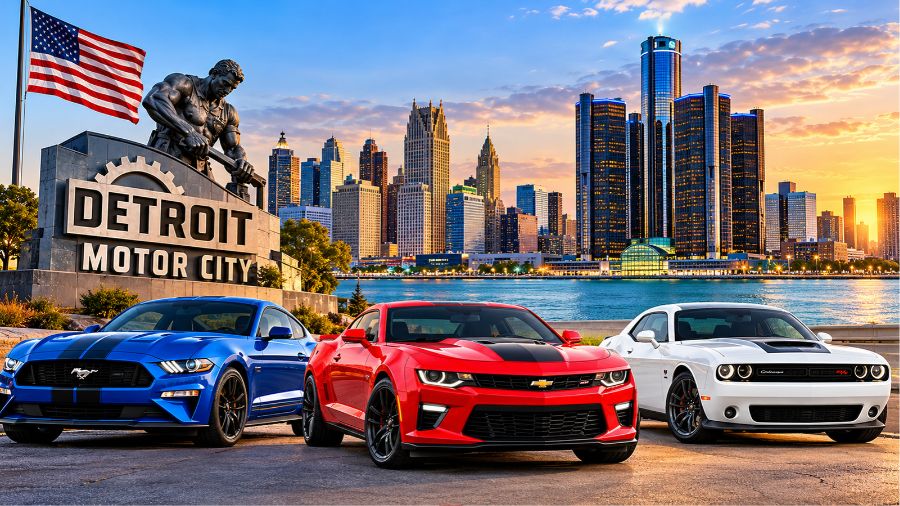
US Motor City is a phrase closely associated with Detroit, Michigan, a city that has played a remarkable role in shaping the American automobile industry. Known for its manufacturing heritage, engineering achievements, and passion for automobiles, Detroit earned its famous Motor City nickname through decades of industrial growth and innovation. The city became a center where creative ideas, skilled workers, and ambitious manufacturers came together to transform transportation. From early automobile workshops to large-scale vehicle production, its influence reached far beyond Michigan and helped change how people traveled, worked, and lived. Today, US Motor City represents more than the history of cars. It also reflects industrial progress, economic challenges, cultural identity, and the continuing development of modern automotive technology.
How Detroit Became the US Motor City
Detroit’s rise as the US Motor City began in the late nineteenth and early twentieth centuries, when transportation technology was developing rapidly. The city already had experience in manufacturing, metalworking, machinery, and carriage building, making it a suitable location for the emerging automobile business. Entrepreneurs recognized opportunities to improve existing transportation methods by developing vehicles powered by engines. As demand increased, small workshops gradually expanded into larger manufacturing operations. Detroit’s industrial experience, access to transportation networks, and growing supply of skilled labor helped attract automotive companies. Over time, these advantages established the city as one of the most influential centers of automobile production in the United States.
The Influence of Henry Ford on Automotive Manufacturing
Henry Ford played an important role in establishing Detroit’s reputation as an automotive powerhouse. After founding Ford Motor Company in 1903, he pursued methods that could make automobiles more affordable and practical for ordinary families. The development of moving assembly-line production at Ford’s Highland Park plant in 1913 significantly improved manufacturing efficiency. Instead of relying entirely on workers to assemble individual vehicles through slower processes, factories could organize production into coordinated stages. This approach helped reduce production time and costs while increasing output. Although Ford was not the only pioneer in the automobile industry, his manufacturing methods influenced factories worldwide and strengthened Detroit’s position as a symbol of American industrial innovation.
Major Automobile Companies in Motor City
The US Motor City identity is strongly connected with the major automakers that established operations in the Detroit metropolitan area. Ford Motor Company, General Motors, and Chrysler, now part of Stellantis, are commonly known as Detroit’s Big Three. Their activities helped create an extensive network of factories, engineering facilities, suppliers, dealerships, and transportation services. These companies introduced numerous vehicle designs and technologies while competing for customers in domestic and international markets. Their growth also encouraged smaller businesses to manufacture components such as engines, seats, tires, electronic systems, and body panels. This connected industrial network made the Detroit region an important automotive center and continues to influence its economy and professional opportunities.
The Economic Importance of US Motor City
Automobile manufacturing has influenced Detroit’s economy for generations by creating employment and supporting businesses throughout the surrounding region. Factory workers, engineers, designers, mechanics, logistics specialists, and administrative professionals have all contributed to the industry’s development. Automotive companies also purchase materials and services from thousands of suppliers, allowing economic benefits to extend beyond vehicle assembly plants. During periods of industrial expansion, manufacturing growth helped support residential neighborhoods, retail businesses, public infrastructure, and local communities. However, economic dependence on the automotive sector also created difficulties when production declined or companies reduced their workforces. Detroit’s experience demonstrates how a major industry can generate prosperity while making a region vulnerable to changes in technology, competition, and consumer demand.
Automotive Innovation and Engineering Excellence
Innovation remains a central part of the US Motor City story. Automotive development requires expertise in mechanical engineering, vehicle design, safety systems, materials science, electronics, and manufacturing processes. Detroit’s industrial ecosystem has supported research into more efficient engines, improved vehicle performance, crash protection, and advanced production equipment. Modern vehicles increasingly depend on software, sensors, connectivity, and sophisticated electronic controls alongside traditional mechanical components. Engineers must balance performance, affordability, reliability, environmental requirements, and customer expectations when developing new models. The Detroit region continues to benefit from its concentration of automotive knowledge and technical experience, giving manufacturers and suppliers opportunities to improve existing products and develop transportation technologies for changing markets.
Electric Vehicles and the Future of Motor City
Electric vehicles are creating a new chapter for US Motor City as automakers respond to changing technology and environmental priorities. Battery-powered cars require different components and manufacturing processes from conventional gasoline vehicles, creating opportunities for new investments and technical skills. Manufacturers are developing electric platforms, battery systems, charging solutions, and software-based features to meet evolving customer needs. At the same time, the transition presents challenges involving production costs, charging infrastructure, battery materials, consumer demand, and competition from international manufacturers. Detroit’s future depends partly on how effectively its companies, workers, suppliers, and educational institutions adapt to these developments. The region’s established engineering capabilities offer advantages, but continued investment and innovation remain essential.
Automobile Culture and Detroit’s Identity
The US Motor City is also recognized for its distinctive automobile culture. Cars have long represented freedom, personal expression, craftsmanship, and technological achievement in American society, and Detroit has a particularly strong connection to these ideas. Classic cars, muscle cars, custom vehicles, racing traditions, and automotive exhibitions attract enthusiasts from different generations. Events such as the Woodward Dream Cruise celebrate historic vehicles and bring together collectors, families, and visitors who appreciate automotive design. Detroit’s relationship with cars also extends into popular culture, advertising, music, and local traditions. This enthusiasm helps preserve the city’s industrial heritage while demonstrating that automobiles are not simply manufactured products; they are also part of a wider social and cultural experience.
Challenges Faced by the US Motor City
Despite its achievements, Detroit has experienced significant economic and social challenges. International competition, automation, changing consumer preferences, factory closures, and shifts in manufacturing locations have affected employment across the region. Population movement and urban economic difficulties have also influenced neighborhoods, public services, and local investment. These changes revealed the risks of depending heavily on a single industry. In response, Detroit has pursued economic diversification, downtown redevelopment, entrepreneurship, and investment in additional employment sectors. Automotive manufacturing remains important, but technology, healthcare, education, professional services, and small businesses also contribute to the city’s economic future. Understanding these challenges provides a more complete picture of Motor City than focusing only on its industrial achievements.
US Motor City as a Destination for Automotive Enthusiasts
Detroit offers meaningful experiences for visitors interested in automotive history and American manufacturing. Museums, historic factories, automobile exhibitions, and regional car events help explain how the industry developed and influenced everyday life. The Henry Ford Museum of American Innovation in nearby Dearborn features exhibits covering transportation, industrial development, and technological progress. Visitors can also explore Detroit’s automotive history through museum collections, classic vehicle displays, and organized factory tours where available. These attractions appeal to families, students, researchers, and car enthusiasts who want to understand the relationship between engineering and society. Automotive tourism also supports restaurants, hotels, local businesses, and cultural attractions throughout the region.
The Role of Workers and Communities
The story of US Motor City would be incomplete without recognizing the workers and communities that helped build its automotive industry. Generations of employees contributed their technical knowledge, physical labor, creativity, and organizational skills to vehicle production. Workers’ movements and labor organizations also influenced discussions about wages, workplace safety, benefits, and employment conditions. As factories expanded, Detroit attracted people from different backgrounds who sought industrial jobs and opportunities for their families. Their experiences shaped the city’s neighborhoods, traditions, and social institutions. Today, workforce development remains important as manufacturing becomes more technologically advanced. Training in robotics, battery technology, computer systems, and advanced production methods can help workers prepare for new opportunities in the changing automotive sector.
Why US Motor City Still Matters Today
US Motor City remains significant because its influence extends beyond the production of automobiles. Detroit represents the connection between industrial innovation, employment, transportation, and regional development. Its manufacturing history offers valuable lessons about efficiency, business competition, technological change, and the importance of adapting to new economic conditions. The city’s automotive ecosystem continues to connect manufacturers, suppliers, designers, engineers, and research professionals. At the same time, the transition toward electrification and software-driven vehicles is reshaping what automotive leadership means. Detroit’s long-standing expertise provides a foundation for future progress, while its economic recovery efforts demonstrate the importance of diversification and community investment in maintaining long-term resilience.
Conclusion
US Motor City is best understood as both a historic symbol of American automobile manufacturing and a region adapting to a new era of transportation. Detroit earned its reputation through manufacturing innovation, influential automotive companies, skilled workers, and a culture that celebrates cars. Although industrial changes have created serious challenges, the region continues to contribute to vehicle engineering, design, production, and emerging automotive technologies. Electric vehicles, advanced manufacturing, and workforce development are becoming increasingly important to its future. For readers interested in American industry, transportation history, or automotive culture, US Motor City provides a compelling example of how innovation can transform a city and influence the world. Its legacy remains closely tied to the evolution of the automobile and the continuing search for better ways to move people and goods.
More read: Jposting