BNSF Schedul: A Complete Guide to Train Times and Freight Tracking
What Is BNSF Schedule?
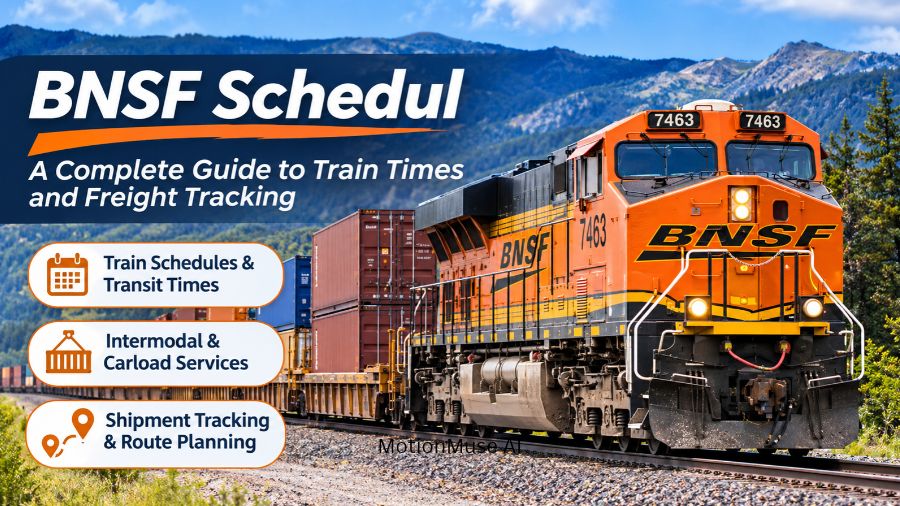
BNSF Schedule refers to the timetable and transportation planning information associated with BNSF Railway, one of the major freight rail operators in North America. Unlike passenger rail services, which publish timetables for people travelling between stations, BNSF primarily provides freight transportation schedules designed to help businesses move goods efficiently. These schedules can include estimated transit times, available intermodal services, carload transportation information, and shipment movement details. The information is particularly useful for companies that depend on rail freight to transport agricultural products, industrial materials, consumer goods, vehicles, and other commercial cargo.
Understanding BNSF Railway and Its Freight Network
BNSF Railway is a major North American freight railroad that connects manufacturing centres, agricultural regions, ports, distribution facilities, and industrial markets. Its rail network supports the movement of a wide variety of products across long distances, making it an important part of the regional and national supply chain. Businesses searching for BNSF schedules are often trying to understand how freight moves between two locations, how long transportation may take, or when equipment is expected to reach a destination. Because freight transportation involves different types of services, schedules are generally designed around shipment requirements rather than individual passenger journeys.
How Freight Rail Scheduling Works
Freight rail scheduling involves coordinating trains, railcars, terminals, track capacity, interchange points, and customer facilities. A shipment may travel through several operational stages before reaching its final destination, including loading, departure, movement through rail yards, interchange with another railroad, and final delivery. The estimated transportation time depends on the route, service type, operational conditions, and shipment arrangements. A schedule therefore provides a planning estimate rather than a guaranteed arrival time for every individual railcar.
Why Businesses Use BNSF Schedules
Businesses use freight schedules to plan inventory, coordinate warehouse operations, arrange transportation connections, and estimate delivery windows. For example, a manufacturer receiving raw materials by rail may need to know when a shipment is expected to arrive before arranging unloading staff and production activities. Similarly, a logistics company may use estimated transit times to coordinate rail transportation with trucking or distribution services. Reliable schedule information helps businesses make informed decisions and reduce uncertainty throughout their supply chains.
How to Find BNSF Schedule Information
Finding the correct BNSF schedule depends on the type of transportation information required. BNSF provides online customer tools that support shipment planning, transit-time enquiries, freight tracking, and rail transportation management. Some information is available through public webpages, while certain operational tools require a registered customer account. Users should identify whether they need an estimated route schedule, an intermodal timetable, a carload transit estimate, or an update about a shipment already moving through the railway network.
BNSF Intermodal Schedules
Intermodal transportation involves moving freight in containers or trailers that can be transferred between different transportation modes. BNSF provides intermodal schedule tools that help customers look up estimated transportation and delivery times for shipments moving through its intermodal network. These schedules are useful for businesses transporting containerised cargo between major logistics centres. Intermodal planning can help companies coordinate rail movements with trucking services and terminal operations, although actual shipment timing may change because of operational conditions.
BNSF Carload Transit Schedules
Carload transportation is commonly used when goods are shipped in individual railcars rather than standard intermodal containers. It can support the movement of commodities such as grain, chemicals, lumber, minerals, and industrial materials. BNSF offers carload transit schedule information that allows customers to examine estimated transportation times between relevant origin and destination locations. These estimates help businesses evaluate rail freight options and plan deliveries, particularly when shipments involve traditional rail service or connections with other railroads.
BNSF Transit, Routing and Speed Tools
Transit, routing, and speed tools help customers understand transportation options and estimated movement times. Depending on the shipment and service, users may need to consider the origin location, destination, railroad interchange, and relevant operational events. These tools are useful when comparing transportation routes or planning recurring freight movements. They should be treated as planning resources rather than a promise that every shipment will follow an identical timetable.
BNSF Schedule vs Shipment Tracking
One of the most common sources of confusion is the difference between a freight schedule and shipment tracking. A schedule provides estimated transportation timing for a route or service, while tracking provides information about a particular shipment, railcar, container, or unit. Both are valuable, but they answer different questions. Someone planning a new shipment generally needs schedule and transit-time information, whereas a customer waiting for an existing shipment needs movement updates and status details.
What BNSF Shipment Tracking Shows
BNSF customer tools include shipment tracing capabilities that provide movement information for freight travelling on the railway. Depending on the service and customer access, tracking tools may show shipment status, equipment information, movement history, and related operational details. These updates help customers understand whether freight is progressing through the network and identify potential issues that may affect delivery planning. Shipment tracking is particularly useful when a business needs to coordinate receiving activities or respond to a delay.
Can You Track a BNSF Train in Real Time?
BNSF offers customer-focused tracking and tracing tools, but these should not be confused with a universal public live map showing every freight train’s exact location. Access to detailed shipment information may require a BNSF customer account and appropriate shipment identification. The available information can depend on the customer’s role in the shipment and the tools provided for that service. Users should rely on official shipment tracking systems for operational updates rather than assuming that a general train schedule reveals a train’s current position.
Factors That Can Affect BNSF Freight Schedules
Freight schedules are influenced by several operational factors, and estimated transit times may change during transportation. Railways must coordinate train movements across a large network while managing equipment availability, terminal capacity, weather conditions, maintenance activities, and connections with other carriers. These factors can affect the movement of individual shipments even when the original transportation plan remains unchanged. Understanding these limitations helps businesses use schedules realistically and prepare for possible changes.
Weather and Network Conditions
Severe weather can affect railway operations by creating safety concerns, slowing train movements, or disrupting access to certain routes. Heavy rain, flooding, extreme temperatures, and winter conditions may influence transportation planning depending on the location and severity of the event. Network congestion and maintenance work can also affect available capacity. As a result, a shipment’s actual transit time may differ from its initial estimate, particularly when unexpected operational conditions arise.
Railcar Availability and Terminal Operations
Freight transportation depends on suitable equipment being available when needed. Businesses using carload service may need to coordinate railcar placement, loading, release, and destination handling. Intermodal shipments also depend on terminal operations and the movement of containers or trailers between transportation modes. Delays at these stages can influence the overall shipment timeline, even if the rail portion of the journey is operating normally.
Interchange and Connecting Railroads
Some freight shipments travel across more than one railroad network. When a shipment moves between carriers, interchange arrangements and operational coordination become important. The estimated transit time may include the movement between railroads and the handling required at interchange locations. Customers should consider these stages when reviewing transportation estimates because a route involving multiple carriers may have different timing requirements from a shipment travelling entirely on one railroad.
Benefits of Using BNSF Schedule Tools
BNSF schedule and shipment planning tools can help businesses make more informed transportation decisions. Estimated transit times support inventory planning, while routing information helps companies understand available rail transportation options. Shipment tracing can improve visibility after freight has entered the network, and customer reports can assist with managing recurring movements. These capabilities are especially useful for organisations that transport large volumes of goods or depend on rail freight as part of a broader logistics strategy.
Better Supply Chain Planning
Schedule information allows businesses to estimate when freight may reach a destination and prepare the next stage of transportation. This can help coordinate warehouse capacity, production schedules, distribution activities, and customer delivery planning. Although estimates cannot eliminate uncertainty, they provide a practical foundation for planning and communication across different departments.
Improved Shipment Visibility
Shipment tracking tools help customers monitor freight movement and review available status information. Better visibility can make it easier to identify shipments requiring attention and communicate updates to relevant teams. When combined with transportation schedules, tracking information provides a more complete picture of the shipment journey, from initial planning to movement through the railway network.
Who Should Use BNSF Schedule Information?
BNSF schedule information is relevant to businesses, freight forwarders, logistics professionals, manufacturers, agricultural companies, and organisations that use rail transportation. It can also be useful for researchers and railway enthusiasts who want to understand freight operations. However, the available tools are primarily designed around commercial transportation needs. People looking for passenger train departure times or public travel timetables should use the appropriate passenger railway service instead of expecting BNSF freight schedules to provide that information.
Conclusion
BNSF Schedul is best understood as a search for BNSF Railway’s freight schedule, transit-time, and transportation planning information. The railway provides different tools for intermodal schedules, carload transit estimates, route planning, and shipment tracking, each serving a specific purpose. Understanding the distinction between estimated schedules and actual shipment updates is essential for accurate logistics planning. By using the appropriate BNSF customer resources and accounting for operational variables, businesses can improve freight visibility, coordinate transportation activities, and make more informed supply chain decisions.
FAQs
What is the correct spelling of BNSF Schedul?
The commonly intended phrase is BNSF Schedule. It refers to freight transportation schedules, estimated transit times, or related railway planning information.
Does BNSF provide public train timetables?
BNSF primarily operates freight services. Its schedule tools are designed for freight planning and customer shipments rather than public passenger travel timetables.
How can I check BNSF shipment status?
BNSF customers can use its shipment tracing tools to review available freight movement information, equipment details, and shipment status updates.
Are BNSF freight schedules guaranteed?
No. Freight schedules generally provide estimated transportation times. Weather, network conditions, terminal operations, and interchange arrangements can affect actual delivery timing.
What is the difference between carload and intermodal schedules?
Carload schedules relate to traditional railcar freight, while intermodal schedules estimate transportation times for containers or trailers moving through intermodal services.
Can anyone access BNSF customer schedule tools?
Some planning information is publicly available, but detailed shipment tracking and certain transportation tools may require a registered BNSF customer account.
More read: Give Me Customer Stories For Cavallo.com