Gajgry: Essential Guide to Roof Drainage, Types, Benefits, and Maintenance
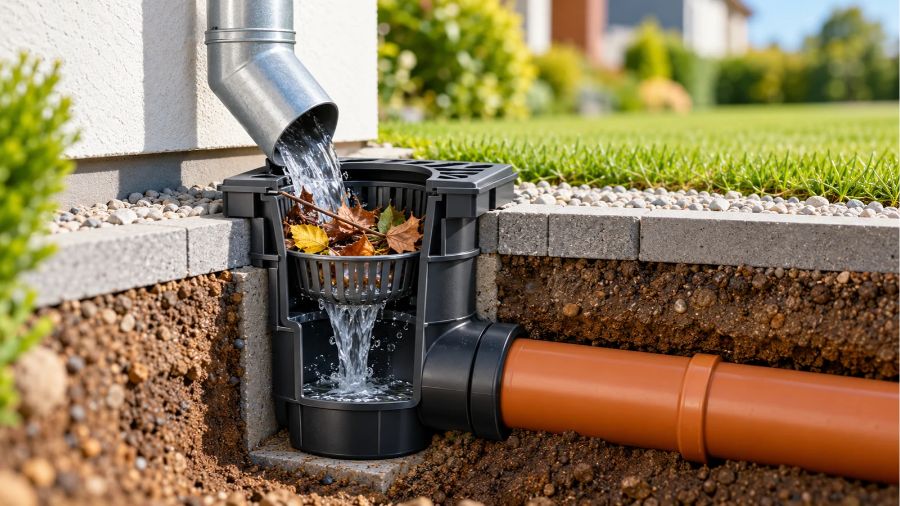
Gajgry are drainage fittings used to connect roof gutter downpipes to underground rainwater drainage systems, helping collect rainwater, trap larger debris, and, in many designs, reduce unpleasant sewer odors. Although the term is unfamiliar to many English-speaking homeowners, it is commonly used in Czech building and plumbing terminology. Understanding how these roof-water catch basins work, which designs are available, how to choose the right fitting, and why regular maintenance matters can help property owners protect their drainage systems and manage rainwater more effectively.
What Are Gajgry?
Gajgry is the Czech plural form of gajgr, a fitting commonly known in English by descriptions such as a roof-water catch basin, downpipe gully, or roof-debris trap. It is generally installed at the bottom of a gutter downpipe, where rainwater moves from the roof drainage system into an underground pipe. The fitting provides a transition between these two parts of the drainage network and may include a removable basket or screen for collecting leaves, twigs, moss, and other debris. Some models also feature an odor-control mechanism designed to limit the return of unpleasant smells from connected drainage pipes. The precise design and capabilities depend on the product, so the term should not be interpreted as referring to one universal model.
What Is the Origin and Meaning of the Word Gajgry?
The word belongs to Czech construction and drainage terminology, where gajgr describes a fitting used to collect roof runoff and connect a downpipe to drainage pipework. Related spellings include gajger, gaiger, geiger, and gajgry, although the spelling used can vary between retailers and technical descriptions. Czech technical-library information links the commonly used name to the surname Geiger and explains that the more technically descriptive expression is lapač střešních splavenin, meaning a roof-runoff debris collector. This distinction matters when researching the term online: an English-language search for “Gajgry” may produce unclear or unrelated results, whereas searching for roof drainage fittings or Geiger-type downpipe gullies is more likely to identify relevant technical information.
How Do Gajgry Work?
Gajgry operate at the point where water leaves a roof downpipe and enters an underground drainage network. Rainwater travels through the gutter system, descends through the downpipe, and enters the fitting before continuing through the outlet into the connected pipework. Where a debris basket or screen is installed, larger solid particles can be retained instead of immediately entering the underground system. Some designs incorporate a flap or water seal intended to limit the movement of odors from the drainage network toward the exterior. The effectiveness of these features depends on the construction, installation, condition, and maintenance of the particular unit. A gajgr does not replace the entire drainage system, nor does it guarantee that every type of blockage or odor problem will be prevented.
Main Types of Gajgry Used in Roof Drainage
Gajgry are available in several configurations, and the most important differences concern outlet direction, odor-control design, material, and debris collection. Choosing a suitable type depends on the existing drainage layout, available installation depth, expected rainfall, and the conditions around the property. Some fittings are intended primarily to connect a downpipe to underground drainage, while others provide additional access for cleaning or include features intended to reduce odors. Product descriptions may use overlapping terms, so homeowners should compare the actual dimensions, connection arrangements, and manufacturer specifications rather than relying on the name alone.
Gajgry With a Vertical or Bottom Outlet
A bottom-outlet gajgr directs collected rainwater downward into a drainage pipe beneath the fitting. This configuration can be suitable when the underground pipe is positioned directly below the downpipe and sufficient installation depth is available. The fitting must align with the intended pipe connection and be installed at the correct height to avoid unnecessary restrictions or leaks. Some models include a removable debris basket and an odor-control flap, but these features vary by product. Before selecting a vertical-outlet unit, confirm the outlet diameter, permitted pipe connections, and whether the available ground depth can accommodate the fitting and its supporting base.
Gajgry With a Side Outlet
A side-outlet gajgr directs rainwater horizontally into a connected pipe. It can be useful where an underground drain runs beside the downpipe or where there is limited vertical space beneath the fitting. The installation must account for the position and elevation of the existing drainage pipe so that water can flow away without creating an unwanted restriction. Some designs use a water seal or another odor-control arrangement, and the details differ between products. A side outlet is not automatically better than a bottom outlet; the appropriate choice depends on the drainage layout, connection dimensions, and installation requirements.
Dry and Water-Sealed Odor-Control Designs
Odor-control mechanisms are another important distinction between gajgry. A dry arrangement may use a flap or similar component to restrict the movement of sewer odors when water is not flowing. A water-sealed design relies on retained water to create a barrier against gases moving back through the fitting. These mechanisms operate differently and may respond differently to periods without rainfall, evaporation, freezing conditions, or debris accumulation. Neither design should be assumed to eliminate every odor problem, especially if the wider drainage system has defects. Buyers should check the manufacturer’s description to understand the specific mechanism, maintenance needs, and operating limitations.
Key Components of a Gajgr
A typical gajgr combines a water inlet, a body that directs flow, an outlet connected to drainage pipework, and access for inspection or cleaning. Depending on the design, it may also include a removable basket, a grate, an odor-control flap, adjustable inlet rings, or a cover. The inlet must accommodate the downpipe, while the outlet must match the intended underground connection. The body needs adequate strength for its installation environment, and the cleaning access should remain usable after the surrounding surface is completed. Not every unit contains all these components, so examining the product specifications before purchase is important.
Debris Basket or Filter
A debris basket catches larger particles carried by roof runoff, such as leaves, small twigs, moss, and accumulated material from gutters. By retaining some of these solids at an accessible point, the basket can make routine cleaning easier and reduce the amount of debris entering the underground pipework. However, a basket is not a fine filter and cannot be expected to remove every suspended particle or dissolved contaminant. It also requires regular attention because accumulated debris can restrict the flow of water. A removable design is generally convenient because it allows inspection and cleaning without dismantling the entire drainage connection.
Outlet and Pipe Connections
The outlet establishes how water leaves the gajgr and enters the underground drainage system. Its diameter, orientation, and connection style must match the pipework used at the property. Some products support several downpipe diameters through interchangeable rings or adjustable inlet openings, while others have a more specific connection arrangement. A fitting should not be selected solely because its inlet appears to match the gutter downpipe; the underground outlet also needs to be compatible. Poorly matched connections can lead to leaks, installation difficulties, restricted flow, or the need for additional fittings that complicate future maintenance.
Body, Cover, and Access Opening
The body contains the incoming water and directs it toward the outlet, while the cover provides protection and access to internal components. Covers and grates may differ in their ability to withstand foot traffic or other loads. A unit installed in a garden bed has different requirements from one located in a paved driveway. The selected model must be suitable for its intended position and installed according to the manufacturer’s instructions. Access should not be obstructed by permanent paving, landscaping, or other construction, because a fitting that cannot be inspected or cleaned may become a maintenance problem even when its initial installation is correct.
Benefits of Installing Gajgry
A correctly selected and maintained gajgr can make a roof drainage system easier to manage. It provides a defined connection between the downpipe and underground pipework, creates an accessible point for collecting some debris, and may help limit sewer odors when the model incorporates a suitable seal. These functions can reduce certain maintenance difficulties and help rainwater move away from the building as intended. The fitting is only one component of a wider system, however, and its benefits depend on adequate gutters, downpipes, underground drainage capacity, and correct installation. It cannot compensate for a blocked main drain, a badly designed drainage route, or inadequate capacity during extreme rainfall.
Helps Reduce Debris Entering Underground Drains
Leaves, twigs, moss, and grit can travel from roof surfaces and gutters into downpipes during rainfall. A gajgr with a suitable debris basket can intercept some of this material before it enters buried pipework. Keeping larger debris out of underground drains can simplify cleaning and help reduce the likelihood of blockages caused by accumulated solids. The benefit is not absolute: fine sediment can still pass through, and an overloaded basket may itself obstruct drainage. Regular inspection is therefore essential, especially where trees overhang the roof or where seasonal leaf fall produces large amounts of debris.
Supports Better Rainwater Management Around Buildings
Rainwater that is not carried away effectively can collect around walls, foundations, pathways, and other surfaces. A properly connected gajgr helps direct water from the downpipe into the intended drainage route instead of allowing uncontrolled discharge at the base of the building. This can contribute to better site drainage and reduce localized water accumulation when the wider system has sufficient capacity. It does not guarantee protection against damp, flooding, or foundation damage, because these problems can have several causes. The drainage route, ground conditions, outlet location, and condition of the surrounding building must all be considered.
Makes Routine Cleaning More Accessible
Underground drainage problems can be difficult to identify because much of the pipework is hidden. A gajgr with an accessible cover and removable basket creates a practical inspection point where debris can be removed before it travels farther into the system. This can make maintenance simpler than relying entirely on buried pipework that is difficult to access. Its usefulness depends on the fitting being installed in a location where the cover can be opened safely and the basket can be removed without obstruction. Access should be considered during the original installation rather than treated as an afterthought.
May Help Limit Unpleasant Drainage Odors
Some gajgry include a flap or water seal intended to restrict odors from connected drainage pipework. This can be useful when the fitting is installed near a doorway, patio, garden seating area, or other frequently occupied space. The effectiveness of odor control depends on the mechanism and its condition, and not all models provide the same protection. Persistent odors may indicate a blocked or defective fitting, an issue elsewhere in the drainage system, or another plumbing problem. Installing a gajgr should not be considered a substitute for investigating the source of recurring smells.
How to Choose the Right Gajgry for Your Property
Selecting the right gajgr begins with understanding the existing roof drainage arrangement rather than choosing a product based only on appearance or price. The downpipe diameter, underground outlet size, outlet direction, available installation depth, expected water flow, debris levels, and intended location all affect suitability. Buyers should also consider whether odor control is needed, how easily the unit can be cleaned, and whether its cover can withstand the loads expected at the installation point. Checking these factors before purchasing helps avoid incompatible fittings and reduces the likelihood of expensive alterations during installation.
Check the Downpipe and Outlet Diameters
Compatibility is one of the most important purchasing considerations. Measure the downpipe and identify the diameter and type of the underground drainage connection before selecting a product. Some gajgry accept multiple inlet sizes through adjustable openings or interchangeable rings, but the supported range must be confirmed for the exact model. The outlet also needs to match the drainage pipe or use an appropriate compatible connection. Do not assume that two products with similar names have identical dimensions. Where existing pipework is old, damaged, or difficult to measure, a plumber or drainage specialist can help identify the correct connection.
Choose the Correct Outlet Direction
The position of the underground pipe determines whether a bottom outlet or side outlet is more practical. A vertical outlet may suit a pipe directly below the fitting, while a side outlet may be more convenient when the pipe runs horizontally nearby. The choice should account for installation depth, available clearance, pipe alignment, and the route water must follow after leaving the fitting. Selecting the wrong orientation can require extra bends or connection pieces and may make cleaning more difficult. If the drainage layout is being redesigned, the outlet direction should be decided alongside the wider drainage plan.
Consider Material and Environmental Conditions
Gajgry are manufactured from different materials, including plastic and metal, depending on the product and its intended application. Plastic models can be convenient for many residential installations because they are relatively lightweight and resistant to many forms of corrosion. Metal products may be appropriate where a particular strength, durability, or compatibility requirement calls for them, but their suitability depends on the material and environment. Buyers should assess exposure to sunlight, temperature changes, moisture, ground conditions, and possible mechanical damage. Manufacturer specifications are more reliable than assuming that one material is universally superior to another.
Evaluate Load Capacity and Installation Location
A fitting installed in a garden or pedestrian area may face different loads from one installed in a driveway or vehicle-access area. The cover, body, supporting base, and surrounding installation must all be appropriate for the expected loading. A product’s stated load rating should be checked rather than inferred from its material or appearance. The rating applies under the manufacturer’s specified installation conditions, so adequate support and correct positioning are important. If vehicles will pass over the fitting, choose a model explicitly approved for that use and obtain professional guidance where the installation requirements are uncertain.
Compare Maintenance Requirements
Two gajgry with similar dimensions can differ considerably in how easily they can be cleaned and inspected. A removable basket, accessible cover, and straightforward internal layout may make routine maintenance more convenient. Consider whether leaves can be removed without dismantling the downpipe, whether the odor-control component can be inspected, and whether the cover will remain accessible after landscaping or paving is complete. Product instructions should explain how to remove debris and identify parts that may require replacement. A slightly more convenient design can be worthwhile if it reduces the effort needed to keep the drainage system functioning properly.
How to Install Gajgry Correctly
Installing a gajgr involves more than connecting a downpipe to a fitting. The unit must be positioned at the correct height, connected securely to compatible pipes, supported by a suitable base, and left accessible for future maintenance. The installation must also follow the relevant drainage design and local requirements for rainwater discharge. Depending on the site, work may involve excavation, cutting pipework, preparing a stable foundation, and connecting to an existing underground system. Because underground drainage layouts vary, the manufacturer’s installation instructions and the property’s drainage plan should guide the work. Complicated connections or uncertain discharge arrangements are best assessed by a qualified professional.
Prepare the Installation Area
Before installation, identify the downpipe position, underground pipe route, available depth, and direction of the intended outlet. Existing services and buried utilities must be considered before excavation begins. The area should provide enough room to install the fitting securely and open its cover for future cleaning. The supporting base needs to be appropriate for the product and ground conditions so that the unit does not shift or settle excessively. If the location is paved, the finished surface should preserve access and direct surrounding surface water as intended. Any damaged or unsuitable existing pipework should be addressed before the new fitting is connected.
Connect the Inlet and Outlet
The downpipe should enter the fitting in the manner specified by the manufacturer, with the connection sized and positioned correctly. The outlet should connect securely to the intended drainage pipe without unnecessary restrictions or poorly aligned joints. Any seals, adapters, or connecting rings should be compatible with the product and pipe material. Avoid improvising connections that may leak or prevent later maintenance. Before the installation is covered, inspect the joints and test the flow using an appropriate amount of water. If the fitting backs up, leaks, or fails to drain freely, investigate the cause before completing the surrounding construction.
Secure the Fitting and Preserve Access
The gajgr should be supported and installed at the appropriate finished level for its location. The cover must remain accessible, and any loading requirements must be satisfied by the product and its supporting installation. Backfilling, paving, or landscaping should not damage the body or place unintended pressure on pipe connections. After installation, check that the downpipe discharges correctly, the outlet is clear, and the cover can be removed as intended. Where the fitting is located in a trafficked area or forms part of a complex drainage system, professional installation can help ensure that the product is used within its specified limits.
Maintenance and Cleaning of Gajgry
Regular maintenance is essential because the same debris that a gajgr is designed to collect can eventually obstruct water flow if it is left in place. The appropriate cleaning frequency depends on the amount of vegetation near the property, roof condition, local weather, and how quickly the basket accumulates material. A practical approach is to inspect the fitting during routine gutter maintenance, after substantial storms, and during periods of heavy leaf fall. Properties surrounded by trees may need more frequent attention than buildings in open areas. Always follow the manufacturer’s cleaning instructions and use appropriate precautions when working near drainage openings.
How to Clean a Gajgr
Begin by checking the area for standing water, visible damage, and signs of overflow. Where it is safe to do so, open the cover according to the manufacturer’s instructions and remove the debris basket if the model includes one. Use suitable gloves and tools to remove accumulated leaves, moss, and other solids, taking care not to push debris into the outlet. Clean the basket and inspect the accessible interior for obstructions or damaged components. Refit the basket and cover correctly, then check that the downpipe and outlet are functioning as intended. If the water remains slow to drain, the blockage may be farther along the underground pipework and require specialist attention.
Common Signs of a Blocked or Damaged Gajgr
Warning signs include water overflowing around the fitting during rainfall, standing water that does not drain as expected, repeated accumulation of debris, loose covers, visible cracks, and persistent unpleasant odors. Water spilling near the base of a building can also indicate a blocked downpipe or a problem farther along the drainage route. These symptoms are not proof that the gajgr itself has failed, because the obstruction may be in the gutter, connecting pipe, or underground drain. Inspect the accessible components first and arrange a professional assessment if the problem persists, the pipework is damaged, or the source of the fault cannot be identified safely.
Seasonal Maintenance and Prevention
Seasonal checks can help identify problems before periods of heavy rainfall. In autumn, inspect the fitting more frequently if falling leaves are entering the roof drainage system. After storms, look for displaced covers, damaged downpipes, unusual overflow, or debris accumulation. During routine maintenance, check the gutters as well as the gajgr because material entering from above can quickly refill a recently cleaned basket. Keep surrounding vegetation under control where practical, and ensure that landscaping does not obstruct access. There is no single cleaning schedule suitable for every property; the most effective routine is based on observed debris levels, local conditions, and manufacturer guidance.
Common Problems With Gajgry and How to Address Them
Although gajgry can make roof drainage easier to maintain, they can still experience operational problems. A blocked basket may restrict flow, a damaged connection may allow leakage, and an unsuitable odor-control mechanism may fail to provide the expected protection. Incorrect sizing or poor installation can also undermine performance even when the product itself is undamaged. Diagnosing the cause requires considering the complete route from the roof gutter to the final discharge point rather than assuming that the fitting is always responsible. Persistent faults, recurring backups, or suspected underground damage should be assessed by an appropriate drainage professional.
Water Overflowing During Heavy Rain
Overflow can occur when debris obstructs the fitting, the outlet pipe is blocked, or the drainage system cannot handle the incoming flow. An undersized or poorly designed installation may also struggle during intense rainfall. Start by checking accessible gutters, the downpipe, and the debris basket for obstructions. If these components are clear but water continues to accumulate, the underground pipework or wider drainage arrangement may need investigation. Increasing the fitting size without checking the rest of the system may not solve the problem. The entire route must be capable of carrying the expected flow safely.
Persistent Odors Near the Downpipe
Unpleasant smells may result from a dirty fitting, accumulated organic material, a damaged odor-control component, or a problem in the connected drainage network. Cleaning the accessible basket and interior may help where decomposing debris is responsible, but persistent odors require further investigation. Check the manufacturer’s guidance before attempting to repair or replace a flap or water seal. Avoid assuming that every gajgr includes the same odor-control feature or that a new fitting will resolve a defect elsewhere. If odors continue after cleaning, a plumber or drainage specialist can assess the installation and identify the likely source.
Repeated Blockages or Slow Drainage
Frequent blockages may indicate that the basket is being cleaned too infrequently, excessive debris is entering from the roof, or the underground pipe has an obstruction or defect. Fine sediment and organic material can accumulate beyond the point that is visible through the fitting. Check the accessible components and note whether the problem returns quickly after cleaning. If it does, investigate the downpipe and underground route instead of repeatedly clearing only the basket. A professional may need to inspect or clean the buried pipework. Persistent blockages should be treated as a system-level problem until the cause has been established.
Gajgry Compared With Other Drainage Solutions
Gajgry serve a specific purpose within a building’s rainwater management system, but they are not interchangeable with every other type of drainage fitting. A roof-water catch basin connects a downpipe to underground pipework and may collect debris, while surface-water gullies, channel drains, and inspection chambers address different drainage needs. Understanding these distinctions helps homeowners avoid selecting a product that does not suit the location or intended function. The correct solution depends on where the water originates, how it must be collected, and where it will ultimately be discharged.
Gajgry vs. Surface-Water Gullies
Both gajgry and surface-water gullies collect and direct water into drainage pipework, but their intended applications can differ. A typical gajgr is positioned beneath a roof downpipe, whereas a surface-water gully may collect water from a paved yard, pathway, or other ground-level area. Some products can serve overlapping functions, so the product specification and installation design are important. A fitting intended only for downpipe connections may not be suitable for collecting substantial surface runoff. Where water enters from several directions, the drainage design must account for the surface area, expected flow, and risk of debris entering the system.
Gajgry vs. Channel Drains
Channel drains collect water along a linear opening, making them useful in suitable paved areas, driveways, and entrances where water needs to be directed away from the surface. Gajgry generally collect water at a single point beneath a roof downpipe. The two can form parts of the same drainage arrangement, but neither automatically replaces the other. A channel drain may need an appropriate outlet connection, while a gajgr requires a suitable downpipe and drainage route. Selection should be based on the source of the water, site layout, expected flow, and requirements of the overall drainage system.
Gajgry vs. Inspection Chambers
An inspection chamber provides access to underground drainage for examination, maintenance, and, where appropriate, cleaning. A gajgr primarily receives water from a downpipe and may trap larger debris before it reaches buried pipework. Although both can provide useful access points, they serve different functions. A gajgr should not be treated as a substitute for a properly designed inspection chamber where the drainage layout requires one. Larger or more complex systems may need several types of access point to make maintenance practical. The appropriate arrangement depends on the pipe network, local requirements, and the recommendations of the drainage designer.
Environmental Considerations and Responsible Rainwater Management
Gajgry can support more manageable rainwater drainage by directing roof runoff into an intended collection or discharge system. Their environmental value depends on how the entire drainage network is designed and maintained. Trapping larger debris can help keep some solid material out of underground pipes, but ordinary debris baskets are not designed to remove dissolved pollutants or make collected water safe to drink. Where rainwater harvesting is planned, the collection system needs suitable filtration, storage, and maintenance arrangements. The final destination of roof runoff also matters, because poorly managed discharge can contribute to localized flooding, erosion, or unwanted water accumulation.
Using Gajgry With Rainwater Harvesting
Some roof drainage systems direct rainwater into a storage tank rather than discharging it directly into a drain. A compatible gajgr may provide a useful connection and catch larger debris before water reaches the storage system. However, the fitting alone does not make rainwater suitable for drinking or other sensitive uses. Appropriate filtration, storage hygiene, and treatment depend on the intended application. Anyone designing a harvesting system should verify that the selected components are compatible and that overflow can be managed safely. A drainage specialist can help determine how the catch basin should fit into the overall arrangement.
Preventing Water Damage Around the Property
Effective rainwater management can help reduce the risk of uncontrolled water accumulation near buildings. Keeping gutters, downpipes, and ground-level drainage points clear allows water to follow its intended route and helps reveal problems before they become more serious. A gajgr can contribute to this system, but it cannot independently protect a building from flooding or damp. Ground levels, soil conditions, foundation details, and the capacity of the receiving drainage system also influence outcomes. Where water repeatedly collects against walls or near foundations, the underlying drainage design should be assessed rather than relying on the installation of a single fitting.
The Future of Roof Drainage and Gajgry
The future of roof drainage is likely to remain focused on durability, accessible maintenance, effective water management, and integration with wider rainwater systems. Gajgry are relatively simple fittings, so improvements in product design are more likely to involve practical considerations such as easier cleaning, compatible connections, durable materials, and better access to internal components than complex digital functionality. There is no verified evidence that the term gajgry identifies a specific technology company or digital platform. Its established meaning in Czech construction terminology relates to roof-water drainage fittings. For homeowners and property professionals, choosing a suitable, well-documented product and maintaining the surrounding drainage system remain more important than speculative claims about future technology.
Conclusion
Gajgry are practical roof-drainage fittings that connect gutter downpipes to underground pipework and, in many designs, collect larger debris or help restrict sewer odors. Understanding outlet configurations, connection sizes, materials, load ratings, and maintenance requirements makes it easier to select a suitable model for a particular property. Their benefits depend on correct installation and regular cleaning, and they cannot replace a properly designed drainage system. For homeowners, builders, and property maintenance professionals, the most reliable approach is to treat the gajgr as one important component of a wider rainwater management strategy.
FAQs
What does Gajgry mean in English?
Gajgry is the Czech plural of gajgr, a roof-drainage fitting that connects gutter downpipes to underground drainage and may collect larger debris.
What is the main purpose of Gajgry?
Their main purpose is to direct roof runoff into underground pipework while helping intercept debris and, in some models, limiting unpleasant drainage odors.
What is the difference between bottom-outlet and side-outlet Gajgry?
Bottom-outlet models discharge water downward, while side-outlet models direct it horizontally. The correct choice depends on the existing pipe layout and installation depth.
Do Gajgry prevent sewer odors?
Some models include odor-control flaps or water seals that help restrict sewer smells, but effectiveness depends on the design, condition, and installation.
How often should Gajgry be cleaned?
Inspect them during routine gutter maintenance and after heavy storms or leaf fall. Clean more frequently when nearby trees cause rapid debris accumulation.
Can Gajgry be used with rainwater harvesting systems?
Some models can be incorporated into compatible rainwater harvesting systems, provided the connections, filtration, overflow arrangements, and intended water use are appropriately designed.
More read: Parakordas