Edesign Explained: How Digital Design Helps Modern Businesses Grow
What Is Edesign?
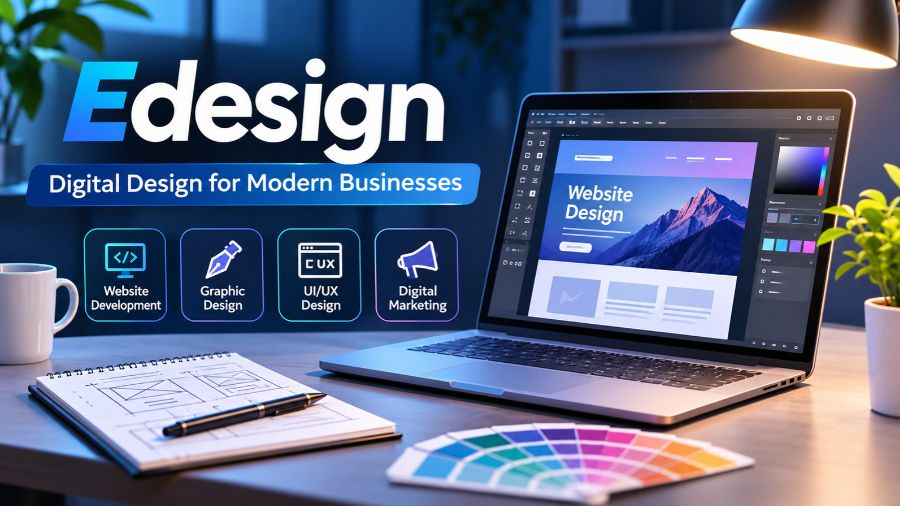
Edesign generally describes the process of creating visual, interactive, and functional experiences using electronic tools and digital technologies. The term combines electronic communication with design, covering activities such as website development, graphic design, digital branding, user interface design, and online marketing materials. Depending on the context, eDesign can refer to a professional service, a creative business, or a broader approach to developing digital products.
Unlike traditional design, which often focuses on printed materials and physical presentation, digital design considers how people interact with content through computers, smartphones, tablets, and other electronic devices. Its purpose is not simply to make something visually attractive but also to improve usability, communication, accessibility, and functionality.
Understanding the Different Uses of Edesign
One reason the keyword Edesign can be confusing is that several businesses use similar names while providing different services. It is important to distinguish the general concept from individual companies because their locations, ownership, services, and business histories are not necessarily connected.
Edesign as a Digital Design Concept
As a general concept, eDesign includes creative work produced through digital platforms and software. Designers use specialised applications to develop logos, illustrations, website layouts, marketing graphics, presentations, and other digital assets. These materials can be distributed electronically, displayed on websites, or adapted for physical publication.
Edesign as a Business or Agency Name
Several independent companies operate under the eDesign or Edesign name. For example, eDesign Interactive is a digital experience agency that works on websites, branding, and digital campaigns. Another business, eDesign in Malaysia, offers company profile design, branding, website development, and digital marketing services.
Saudi Arabia also has an established digital agency called EDESIGN, which provides website development, mobile applications, creative services, and digital transformation solutions. These examples demonstrate that the name is shared by businesses rather than representing one global organisation.
What Services Does Edesign Typically Include?
Edesign-related services can cover several areas of digital production, depending on the agency’s expertise and the requirements of its clients. Some providers specialise in visual communication, while others combine creative design with software development, website management, and marketing strategies. This makes eDesign a broad service category rather than a single technical discipline.
Website Design and Development
Website design is one of the most recognisable services associated with eDesign. It involves creating website layouts, selecting typography, organising information, developing navigation systems, and establishing a consistent visual identity. Professional website development also considers functionality, responsiveness, loading performance, and compatibility with different browsers.
A well-designed business website should help visitors understand what an organisation offers and how to interact with it. Depending on the project, developers may use content management systems, website builders, or custom programming technologies.
Graphic Design and Branding
Graphic design focuses on communicating information through visual elements such as colours, typography, illustrations, images, and layouts. Businesses use these elements to create logos, brochures, advertisements, presentations, product packaging, and social media graphics.
Branding goes further by establishing a recognisable identity across different communication channels. A consistent visual system helps customers recognise a business and understand its positioning. Edesign agencies may combine logo development, brand guidelines, colour systems, and marketing materials into one coordinated service.
UI and UX Design
User interface (UI) and user experience (UX) design are important parts of modern digital product development. UI design concentrates on the visual and interactive elements people use, including buttons, menus, forms, and navigation components. UX design considers the complete experience, including usability, accessibility, information structure, and how easily users accomplish their goals.
These disciplines are particularly relevant to mobile applications, online stores, software platforms, and business websites. Effective UI and UX design can reduce confusion and make digital products easier to understand.
Digital Marketing and Creative Content
Some eDesign agencies also provide digital marketing services to help organisations communicate with their audiences online. These services can include search engine optimisation, social media content, advertising graphics, email campaigns, and website content production.
Design plays an important role in digital marketing because visual presentation influences how people interpret advertisements and promotional messages. However, effective marketing also requires audience research, relevant messaging, technical optimisation, and performance measurement.
How Does the Edesign Process Work?
A professional eDesign project generally begins with understanding the client’s requirements and identifying the problem that the proposed design should solve. The process then moves through planning, research, creative development, testing, and delivery. Although individual agencies follow different workflows, a structured approach helps prevent misunderstandings and keeps the final product aligned with business objectives.
Research and Project Planning
The first stage involves identifying the target audience, project requirements, business objectives, and technical limitations. Designers may examine competitors, review existing branding, study customer behaviour, and determine which features are essential. This information provides a foundation for selecting the appropriate design direction.
Wireframing and Creative Development
Once the requirements are understood, designers begin developing the structure and appearance of the project. Website projects may start with wireframes that show page layouts and navigation arrangements. Graphic design projects may involve initial concepts, typography choices, colour combinations, and visual references.
Development and Testing
After the design direction receives approval, the project moves into production. Developers build the required functionality, integrate content, and prepare the digital product for different devices and screen sizes. Testing helps identify layout problems, broken interactions, accessibility issues, and browser compatibility concerns.
Launch and Ongoing Improvement
The final stage involves delivering or publishing the completed project. However, digital products may require ongoing maintenance, security updates, content improvements, and performance monitoring. A website or application should be reviewed periodically to ensure that it continues meeting user expectations and business requirements.
Why Do Businesses Invest in Edesign?
Businesses invest in digital design because their online presence often influences how potential customers evaluate their products and services. A professional visual identity, accessible website, and consistent communication can help organisations present themselves more clearly. Edesign also allows companies to create digital experiences that support customer interaction, product discovery, and business operations.
Another important benefit is adaptability. Digital materials can be updated without reproducing every asset from the beginning, while website layouts and marketing content can be adjusted as business requirements change. Companies can also use analytics and user feedback to identify areas that need improvement.
However, good design does not automatically guarantee increased sales, higher search rankings, or improved customer retention. Results depend on several factors, including product quality, market demand, pricing, website performance, content relevance, and marketing execution.
Edesign vs Traditional Design: Understanding the Difference
Traditional design commonly involves physical materials such as printed brochures, business cards, magazines, packaging, and outdoor advertisements. Digital design focuses on electronic platforms, including websites, applications, online advertisements, and interactive content. Both approaches use similar creative principles, but their production requirements and distribution methods can differ.
Digital design places additional emphasis on screen responsiveness, accessibility, interactive behaviour, and technical performance. Traditional print design must consider physical dimensions, printing methods, colour reproduction, and material selection. Many modern businesses combine both approaches to maintain a consistent brand identity across online and offline channels.
Popular Tools Used in Edesign
Professional designers use different software applications depending on the type of project and the required output. These tools support illustration, interface design, image editing, prototyping, collaboration, and content production.
Adobe Creative Cloud
Adobe applications are widely used for professional creative work. Photoshop supports image editing and visual composition, Illustrator is designed for vector graphics, and InDesign helps produce structured publications and layouts. These applications are useful for branding, advertising, and digital content creation.
Figma
Figma is a collaborative interface design and prototyping platform. It allows design teams to create website layouts, application interfaces, reusable components, and interactive prototypes. Its collaborative features make it useful for projects involving designers, developers, and stakeholders.
Canva
Canva provides accessible tools for creating presentations, social media graphics, promotional materials, and other visual content. Its templates and editing features make it suitable for individuals and small businesses that need to produce basic designs without a specialised design background.
WordPress and Web Development Technologies
Website projects may involve WordPress, HTML, CSS, JavaScript, and other development technologies. These tools serve different purposes, from managing website content to building custom interactive experiences. The appropriate choice depends on the project’s complexity, maintenance requirements, and available technical resources.
Challenges and Limitations of Edesign
Despite its advantages, eDesign involves several challenges that businesses should understand before investing in professional services. One common issue is choosing a provider based solely on attractive portfolio images without examining technical quality, communication practices, or previous project experience. A visually impressive website may still perform poorly if it has confusing navigation, slow loading times, or inaccessible content.
Another challenge involves changing technology and user expectations. Websites and applications require regular updates to maintain compatibility, security, and usability. Businesses may also face additional costs when projects expand beyond their original requirements.
Brand consistency can become difficult when different agencies or freelancers produce materials without shared guidelines. Clear documentation, agreed project specifications, and organised asset management can help reduce these problems.
How to Choose the Right Edesign Agency
Selecting an appropriate design agency requires more than comparing prices or reviewing promotional claims. Businesses should first identify their actual requirements, whether they need a new website, branding, an e-commerce platform, a mobile application, or ongoing digital marketing support. Reviewing relevant portfolio projects can help establish whether an agency has experience with similar requirements.
It is also important to understand the project’s scope, delivery schedule, revision policy, ownership of design files, maintenance arrangements, and support terms. Technical considerations should include mobile responsiveness, website security, accessibility, performance, and search engine optimisation fundamentals. Before signing an agreement, businesses should confirm exactly which services are included and which may involve additional charges.
The Future of Edesign in the Digital Business World
Edesign is likely to continue evolving as businesses adopt new technologies and customers interact with digital services in increasingly diverse ways. Artificial intelligence is already influencing creative workflows through image generation, automated content assistance, design suggestions, and development support. These technologies can help accelerate certain tasks, although professional judgement remains important for quality control, originality, accessibility, and brand consistency.
Responsive experiences, accessible interfaces, personalised digital content, and improved mobile usability will remain important considerations. Businesses will also need to consider privacy, responsible use of customer information, and the reliability of AI-assisted content.
Rather than replacing every traditional creative role, emerging tools are changing how designers and developers approach their work. The most effective digital projects will continue to depend on a combination of technical understanding, creative thinking, user research, and practical business objectives.
Conclusion
Edesign represents a broad area of digital creativity that connects visual communication, website development, branding, user experience, and online marketing. Although several independent agencies use the Edesign name, the term itself is not limited to one company or product. Understanding this distinction helps businesses identify the right services and evaluate providers more effectively. As digital platforms become increasingly important to everyday business operations, thoughtful design and reliable technical development will remain essential for creating useful, accessible, and recognisable online experiences.
FAQs
1. What does Edesign mean?
Edesign generally refers to electronic and digital design activities, including website creation, graphic design, branding, user interfaces, and other technology-based creative services.
2. Is Edesign a company or a service?
Edesign can describe a general digital design service or an individual company’s name. Several independent businesses worldwide operate under similar names.
3. What services do Edesign agencies provide?
Edesign agencies commonly provide website development, graphic design, branding, UI and UX design, digital marketing, mobile applications, and creative content services.
4. Which industries use Edesign services?
Industries including retail, education, healthcare, technology, finance, hospitality, and professional services use digital design to improve communication and online experiences.
5. Which software is commonly used for Edesign?
Popular tools include Adobe Photoshop, Illustrator, InDesign, Figma, Canva, and web development technologies such as HTML, CSS, and JavaScript.
6. Is Edesign important for small businesses?
Yes. Effective digital design helps small businesses establish professional online identities, communicate their offerings, improve usability, and present information consistently across platforms.
More read: EDIO