Sisal Carpet: Benefits, Types, Uses, Costs, and Care Guide
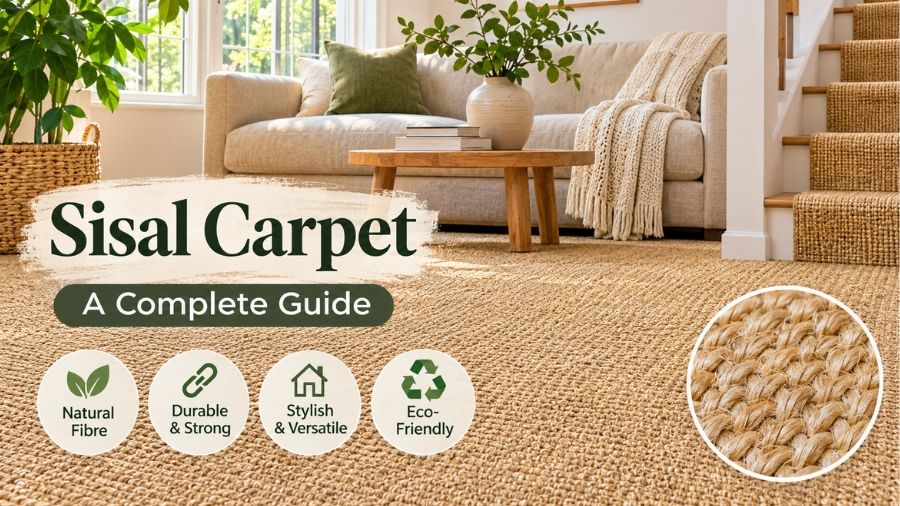
Sisal Carpet is a natural flooring option made from strong plant fibres that offers a distinctive woven appearance, practical durability, and an environmentally conscious alternative to many synthetic carpets. Popular in modern, traditional, and minimalist interiors, sisal flooring appeals to homeowners who appreciate natural materials and understated design. However, its textured surface, sensitivity to moisture, maintenance requirements, and installation considerations make it important to understand the material before purchasing. From manufacturing and weaving styles to advantages, disadvantages, cleaning methods, and comparisons with other natural carpets, this guide explains what makes sisal carpet a distinctive flooring choice.
What Is Sisal Carpet?
Sisal carpet is a natural floor covering manufactured from fibres extracted from the leaves of the sisal plant, scientifically known as Agave sisalana. This plant is cultivated in tropical and subtropical regions, where its long, durable leaves provide fibres suitable for textiles, ropes, mats, and flooring. Manufacturers process the extracted fibres into yarn before weaving or bonding them into carpet products. The resulting material has a recognisable coarse texture, natural appearance, and earthy colour palette. Unlike synthetic carpets made primarily from manufactured polymers, sisal flooring comes from a renewable plant-based resource. Its appearance can vary according to fibre quality, weaving technique, colour treatment, and finishing. Natural shades such as beige, cream, sand, and light brown are particularly popular because they complement different interior styles. Sisal carpet is available as fitted flooring, area rugs, stair runners, and custom-made floor coverings.
How Is Sisal Carpet Manufactured?
The manufacturing process begins with harvesting mature sisal leaves from cultivated agave plants. These leaves contain long fibres that are separated from the surrounding plant material through a process called decortication. The extracted fibres are washed to remove remaining plant matter and then dried before further processing. Once prepared, the fibres are brushed, graded, and spun into yarn suitable for weaving. Manufacturers combine individual yarns to achieve the thickness, strength, and appearance required for a particular flooring product. Weaving machines then create different patterns and surface textures, while finishing processes may improve the carpet’s appearance, dimensional stability, or suitability for installation. Some products receive backing materials to provide additional support and make installation easier. Although the basic manufacturing process follows similar principles across the industry, the final characteristics depend on fibre selection, yarn construction, weaving density, and finishing methods. Understanding these stages helps buyers appreciate why sisal carpets can differ considerably in quality, texture, and price.
Main Types and Weaving Styles of Sisal Carpet
Sisal flooring is available in several constructions, allowing homeowners to select a surface that suits their interior design and practical requirements. Bouclé is a popular style featuring looped yarns that create a textured, relatively uniform appearance. Herringbone weaving arranges fibres in a distinctive zigzag pattern, making it suitable for contemporary and traditional spaces. Basketweave designs use intersecting yarns to produce a structured appearance, while plain-weave carpets offer a simpler and more understated finish. Some manufacturers also produce patterned combinations that introduce visual variation without relying on bright colours. The choice of weave influences the carpet’s appearance, surface feel, and suitability for particular areas. A tightly constructed surface may be preferable for frequently used spaces, while more decorative patterns can provide visual interest in bedrooms and reception rooms. Buyers should also examine the backing, edge finishing, and product specifications rather than choosing a carpet based on its pattern alone.
Key Benefits of Sisal Carpet
One of the main attractions of sisal carpet is its combination of natural character and practical strength. Its fibres create a firm woven surface that can perform well in suitable indoor environments, particularly hallways, living rooms, and other dry spaces. The neutral appearance makes it relatively easy to coordinate with wooden furniture, stone finishes, neutral walls, and contemporary decorative accessories. Sisal is also derived from a renewable plant source, which makes it an interesting option for people considering natural materials in their homes. Unlike heavily patterned flooring, its understated appearance can complement changing furniture and decoration without making a room feel visually crowded. Another advantage is its versatility: sisal can be manufactured into large fitted carpets, smaller decorative rugs, and staircase runners. However, these benefits should be considered alongside its limitations, because natural fibres do not automatically provide better performance in every household or environment.
Durability and Everyday Performance
Sisal fibres are valued for their strength, which contributes to their use in products exposed to regular physical handling. When properly manufactured and installed, sisal carpet can provide a durable flooring surface in appropriate indoor locations. Its firm texture may appeal to households that prefer structured natural flooring rather than thick, soft pile carpets. Nevertheless, durability depends on several factors, including fibre quality, weaving construction, installation, underlay, and the amount of foot traffic. A poorly selected product may wear unevenly or develop visible damage sooner than expected. Furniture movement, abrasive dirt, and unsuitable cleaning methods can also affect its appearance. For this reason, buyers should check the manufacturer’s intended-use classification and maintenance recommendations before choosing a particular product.
Natural Appearance and Interior Design
Sisal carpet is particularly appreciated for its organic texture and understated colour variations. Its woven surface introduces visual depth without requiring complicated patterns or artificial decorative effects. In minimalist interiors, it can create a warm contrast against smooth walls, glass, and metal furniture. In traditional homes, natural sisal rugs can complement wooden floors, neutral upholstery, and classic furniture arrangements. Designers may also use sisal runners to create visual continuity between hallways, stairs, and adjoining rooms. Its natural colour palette works especially well with earthy tones, although dyed and specially finished products are also available. The overall result depends on the weave, room lighting, furniture, and surrounding materials.
Environmental Considerations
Sisal comes from a plant that can be harvested for fibre production, making it a renewable raw material when responsibly cultivated. Plant-based fibres can offer an alternative to petroleum-derived synthetic materials, although the environmental impact of a finished carpet depends on more than its main fibre. Farming practices, water consumption, processing energy, transportation, dyes, chemical treatments, backing materials, and product lifespan all influence its overall footprint. A carpet containing natural sisal may still include synthetic latex, adhesives, or other manufactured components. Therefore, environmentally conscious buyers should examine the complete product composition and seek transparent information about sourcing, manufacturing, and disposal. Natural origin alone does not guarantee that every sisal carpet is fully biodegradable or environmentally preferable.
Where Can Sisal Carpet Be Used?
Sisal carpet is most suitable for dry indoor environments where its natural appearance and firm surface can be appreciated without frequent exposure to moisture. Living rooms are a common application because area rugs can define seating arrangements and introduce texture beneath furniture. Hallways can also benefit from sisal runners, although buyers should consider the level of traffic and choose a suitable construction. Bedrooms are another option, particularly for people who prefer natural decorative materials over thick synthetic flooring. Home offices, dining areas, and staircases may also accommodate sisal products when the manufacturer confirms their suitability and the installation is completed correctly. However, kitchens, bathrooms, laundry rooms, and other moisture-prone locations are generally less appropriate. The material’s absorbent nature makes accidental spills and persistent humidity important concerns. Selecting the right room is therefore just as important as choosing the right carpet.
Sisal Carpet vs Other Natural Flooring Materials
Choosing between natural flooring materials requires considering texture, durability, maintenance, appearance, and moisture sensitivity. Sisal is generally firmer and more structured than jute, which is often selected for its softer feel and decorative appearance. Seagrass has a distinctive natural finish and is also used in woven floor coverings, although its suitability varies by product and installation location. Coir, produced from coconut husks, has a coarse texture that makes it particularly recognisable in entrance mats and other practical floor coverings. Wool differs because it is an animal-derived fibre with a softer surface and different cleaning characteristics. Synthetic carpets offer another alternative, often providing more options for stain resistance, colour, and moisture management. There is no universally superior material: the right choice depends on the intended room, household activities, personal comfort preferences, and maintenance expectations.
Disadvantages and Limitations of Sisal Carpet
Despite its attractive appearance and useful physical properties, sisal carpet has several limitations that buyers should understand. Moisture sensitivity is one of its biggest disadvantages because liquid spills can create visible marks, encourage dirt migration, and potentially affect the carpet’s shape. Its relatively coarse surface may also feel uncomfortable for people who prefer walking barefoot on soft flooring. Unlike some synthetic carpets, sisal is not generally designed for conventional steam cleaning or wet shampooing, making stain removal more challenging. Strong sunlight can also affect the colour of some natural fibre products over time, depending on their treatment and exposure. Additionally, natural variations in fibre thickness, shade, and weaving can create slight differences between individual products. These characteristics are not necessarily manufacturing defects, but they may matter to buyers expecting perfectly uniform flooring. Understanding these limitations before purchasing helps prevent unsuitable installations and unnecessary maintenance problems.
Sisal Carpet Installation and Buying Considerations
Installing sisal carpet requires attention to the product’s construction, backing, room conditions, and manufacturer instructions. Unlike some synthetic floor coverings, natural fibre products can respond to changes in humidity and temperature, making proper acclimatisation particularly important. Professional installers should check the subfloor, measure the space accurately, and select an appropriate installation method. Some products are fitted using grippers and underlay, while others may require different adhesive or installation arrangements depending on their construction. Cut edges also need suitable finishing to reduce the risk of fraying. For staircases, the selected product must be specifically appropriate for the intended installation, with secure fitting and suitable edge treatment. Buyers should request a sample before ordering because natural fibres can appear different under artificial lighting compared with natural daylight.
What Affects the Price of Sisal Carpet?
The cost of sisal carpet varies according to several product and installation factors, so a single price cannot accurately represent the entire market. Fibre quality, yarn thickness, weave complexity, manufacturing origin, backing material, protective treatments, and brand positioning can all influence the purchase price. Custom-sized rugs and professionally finished borders may add further costs compared with standard-sized products. Installation expenses also depend on room dimensions, subfloor preparation, underlay requirements, and the complexity of the project. Buyers should compare the complete installed cost rather than considering the carpet’s advertised price alone. Requesting written quotations from flooring suppliers can help identify additional charges for measuring, delivery, fitting, and finishing. It is also worth checking the warranty and maintenance requirements before making a final purchasing decision.
How to Clean and Maintain Sisal Carpet
Proper maintenance is essential for preserving the appearance and condition of sisal flooring. Regular vacuuming helps remove dust, grit, and other dry particles that can accumulate between the fibres and contribute to surface wear. A vacuum cleaner with an appropriate smooth attachment is generally preferable to an aggressive rotating brush, although product-specific instructions should always take priority. Spills require immediate attention because liquids can carry accumulated dirt towards the surface and leave visible marks as they dry. The safest initial response is to blot the affected area using a clean, undyed, absorbent cloth without rubbing or spreading the liquid. Solid substances should be carefully lifted using a suitable blunt tool. Routine wet cleaning, steam cleaning, and excessive water should generally be avoided unless the manufacturer explicitly approves a particular method. Professional dry-cleaning services experienced with natural fibre flooring can help when more extensive cleaning is required.
Preventing Stains and Fibre Damage
Preventive care can significantly reduce common problems associated with natural sisal flooring. Placing suitable entrance mats near exterior doors helps capture dirt before it reaches the carpet, while removing outdoor footwear can further limit abrasive particles. Furniture protectors help reduce pressure marks and friction, particularly beneath heavier items. Direct and prolonged sunlight should be managed where possible because some natural fibres and dyes can experience colour changes with continued exposure. In rooms with changing humidity levels, maintaining reasonably stable indoor conditions may help reduce dimensional movement. Homeowners should also avoid dragging heavy furniture across the surface and should inspect rug edges periodically for signs of loosening or fraying. These straightforward precautions help maintain the carpet’s appearance without relying on aggressive cleaning treatments.
How to Choose the Best Sisal Carpet for Your Home
Selecting the right sisal carpet involves balancing appearance, construction, room suitability, and maintenance requirements. Start by deciding whether you need fitted flooring, a decorative area rug, or a staircase runner. Consider the amount of daily foot traffic and choose a weave designed for the intended application. Examine the carpet sample closely to assess its texture, colour consistency, thickness, and backing quality. Ask the supplier whether the product includes stain protection and whether any treatment changes its cleaning requirements. Households with children, pets, or frequent food and drink spills should think carefully about the practical difficulties of maintaining untreated natural fibres. It is also important to confirm whether the product is suitable for underfloor heating, if applicable, and whether installation requires specialist materials. A well-informed purchase should consider the carpet’s expected lifespan, cleaning needs, and total installation cost rather than focusing exclusively on its natural appearance.
Is Sisal Carpet a Good Choice for Modern Interiors?
Sisal carpet remains an appealing flooring option for interior designs that emphasise natural textures, neutral colours, and understated materials. Its woven surface works particularly well with wooden furniture, linen upholstery, stone finishes, and minimalist decorative schemes. Interior designers can use sisal rugs to introduce texture into otherwise simple rooms or create visual separation between different areas of an open-plan living space. Stair runners and hallway rugs can also provide continuity throughout a home’s interior design. However, modern styling should not be the only consideration when selecting flooring. Practical requirements such as cleaning, household traffic, moisture exposure, and comfort remain important. For homeowners who value natural aesthetics and can accommodate its maintenance needs, sisal offers a distinctive alternative to conventional carpet materials.
Future of Natural Sisal Flooring
Interest in natural materials continues to influence interior design and flooring choices, creating opportunities for products made from plant-based fibres. Sisal can contribute to this market because it offers a recognisable texture, renewable raw material, and several possible applications beyond traditional carpeting. Manufacturers can also explore different weaving techniques, backing systems, surface treatments, and fibre combinations to address changing consumer preferences. However, the future environmental appeal of sisal flooring will depend on responsible agricultural practices, efficient processing, transparent material sourcing, and better information about the complete product lifecycle. Developments in protective treatments may also help address some practical concerns, particularly moisture-related staining, although treated products still require appropriate care. Rather than replacing every synthetic or conventional carpet, sisal is likely to remain a specialised option for consumers seeking natural-looking flooring with particular aesthetic and performance characteristics.
Conclusion
Sisal carpet offers a distinctive combination of natural plant fibres, attractive woven textures, and practical durability in suitable indoor environments. Its versatility makes it an appealing option for living rooms, hallways, bedrooms, and selected staircase applications, while its neutral appearance complements a wide range of interior styles. Nevertheless, moisture sensitivity, stain management, surface texture, and specialised cleaning requirements are important limitations. Choosing the right weave, checking product specifications, arranging suitable installation, and following appropriate maintenance practices can help preserve its appearance over time. Ultimately, sisal carpet is most valuable for homeowners who appreciate natural flooring and understand the practical care required to maintain it.
FAQs
1. Is sisal carpet durable?
Yes, sisal carpet is made from strong natural fibres and can withstand regular foot traffic when properly manufactured, installed, and maintained in suitable indoor environments.
2. Is sisal carpet suitable for bedrooms?
Yes, sisal carpet can work well in bedrooms, particularly for homeowners who prefer natural textures, neutral colours, and a firmer flooring surface.
3. Can sisal carpet get wet?
Sisal absorbs moisture and can develop stains or dimensional changes when soaked. Spills should be blotted immediately, and excessive water should be avoided.
4. Is sisal carpet difficult to clean?
Sisal requires careful maintenance because conventional wet cleaning is unsuitable for many products. Regular vacuuming and prompt spill treatment help maintain its appearance.
5. Is sisal carpet better than jute?
Sisal generally offers a firmer, stronger surface, while jute is often softer. The better option depends on room conditions, comfort preferences, and intended use.
6. Does sisal carpet come in different colours?
Yes, sisal carpet is available in natural beige, cream, brown, and various dyed shades, with colour availability depending on the manufacturer and product range.
More read: Pumice Stone Pumice